

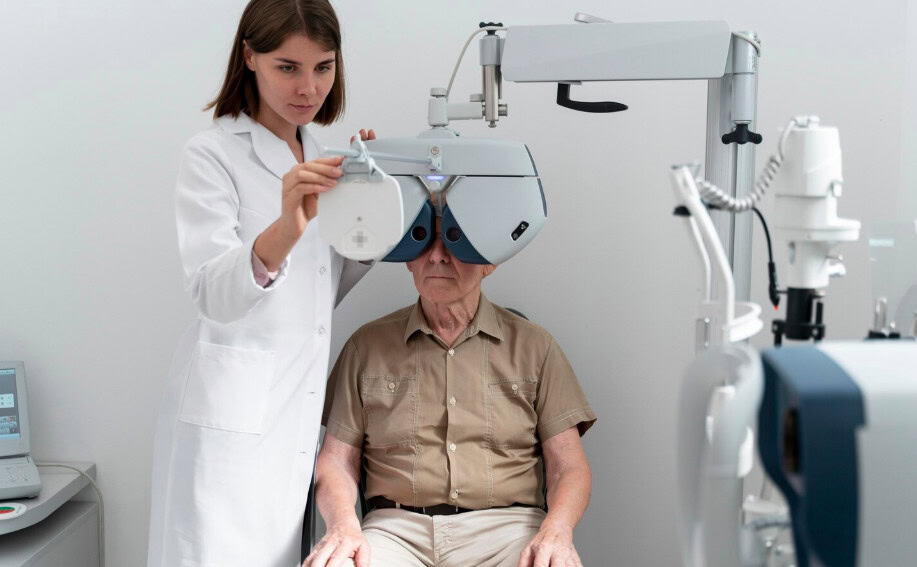
Eye exams often sound more intimidating than they really are. Many people walk into the clinic wondering what will happen next or if the tests will feel uncomfortable. In reality, a routine optometrist eye exam is simple, quick, and designed to protect your vision. During the visit, the doctor checks how clearly you see, looks for early signs of eye conditions, and updates your prescription if needed.
Let’s walk through what to expect so your next visit feels simple and stress-free.
Why Regular Eye Exams Matter
Your eyes can change slowly over time. Sometimes those changes happen without clear symptoms. That’s why routine exams are important. During an exam, an eye doctor checks your vision and looks for early signs of eye conditions such as glaucoma, dry eye, or retinal problems.
Even if your eyesight feels fine, regular exams help catch small issues before they become bigger concerns. Think of it as a health check for your eyes.
Before Your Appointment: A Few Simple Steps
Preparing for an eye exam doesn’t require much effort, but a little planning helps.
Bring your current glasses or contact lenses. These help the doctor understand your current prescription. Also, bring a list of medications you take. Some medications can affect eye health or vision.
If you’ve noticed symptoms like blurry vision, headaches, or eye strain, write them down. Sharing these details gives the doctor useful clues during your visit.
What Happens During an Eye Exam
Many people imagine complicated machines and long procedures. In reality, the process is quite straightforward.
First, the doctor will ask about your vision history and general health. Then they check how clearly you see letters on a chart. This step helps measure your visual acuity.
Next, they examine how your eyes move and focus. They may also check your pupils and eye pressure. These tests help detect signs of glaucoma or nerve problems.
You may also experience a refraction test. This is the part where the doctor asks, “Which is clearer, one or two?” It helps determine the exact lens power needed for clear vision.
Understanding Your Prescription
After the exam, your doctor may give you a prescription for glasses or contact lenses. At first, it may look confusing. That’s where reading eyeglass prescription details becomes useful.
Prescriptions usually include values like SPH, CYL, and Axis. SPH shows the lens strength for nearsightedness or farsightedness. CYL and Axis relate to astigmatism correction.
Your doctor can explain these numbers and how they improve your vision, helping you feel more confident when choosing eyewear.
Extra Tests That May Be Recommended
Sometimes the doctor may suggest additional tests. These are usually quick and painless.
For example, retinal imaging allows doctors to view the back of your eye in detail. This can reveal early signs of diseases affecting the retina or optic nerve.
Another test measures tear production to check for dry eye. Digital screens, air conditioning, and aging can all contribute to this condition.
These extra checks give a more complete picture of your eye health.
How to Make Your Visit Stress-Free
Feeling relaxed during your appointment helps everything go smoothly. Try to arrive a few minutes early. This prevents rushing and gives you time to complete any forms.
Ask questions if something feels unclear. Eye doctors expect questions and are happy to explain the tests.
It also helps to remember that most exams are routine. The goal is simply to check your vision and keep your eyes healthy.
Clear Vision Starts with Simple Care
Eye exams don’t have to feel stressful. With the right guidance and a clear understanding of the process, your visit can be smooth and informative. A routine optometrist eye exam helps monitor vision, check for early signs of eye conditions, and keep your prescription accurate.
At Tustin Optometry, patients receive comprehensive eye care in a comfortable setting. The team provides detailed eye exams, contact lens evaluations, and helpful guidance on reading eyeglass prescription details so patients can better understand their vision needs.
Your eyes work hard every day. Give them the care they deserve. Schedule your eye exam with Tustin Optometry today and take the next step toward clearer, healthier vision.
Questions You Might Have
Q: How long does a typical eye exam take?
A: Most routine eye exams take about 30 to 60 minutes. The exact time may vary depending on the tests performed and whether additional evaluations are needed for your eye health.
Q: How often should I schedule an eye exam?
A: Many adults benefit from an eye exam every one to two years. People with existing eye conditions, diabetes, or vision changes may need more frequent visits based on their doctor’s recommendation.
Q: What should I bring to my eye exam appointment?
A: Bring your current glasses or contact lenses, a list of medications you take, and information about any vision problems you have noticed. This helps the doctor perform a more accurate exam.
Q: Can an eye exam detect other health problems?
A: Yes. Eye exams can sometimes reveal signs of health conditions like diabetes, high blood pressure, or nerve-related problems. Changes in the retina or blood vessels can provide early clues about overall health.
Q: Do I still need an eye exam if my vision seems fine?
A: Yes. Many eye conditions develop slowly and may not cause noticeable symptoms in the early stages. Regular exams help detect these issues before they affect your vision.
Recent Comments