

Quick Overview: Lazy eye in children, also called amblyopia, is a common vision issue that often goes unnoticed early. This blog explains simple symptoms, causes, and treatment options in easy language. It also highlights why early eye exams are important and how timely care can improve vision, learning ability, and overall eye health in children.
Did you know a child can have weak vision in one eye and still not realize it at all? Lazy eye is more common than most parents think, and early checks for pediatric for eye care can make a big difference.
Many children adapt without complaining, so the problem often stays hidden for a long time. Simple eye exams can catch it early before it affects reading, learning, or daily play. Early care helps both eyes work together and supports better vision development during key growing years.
Signs Parents Should Watch Closely
Lazy eye signs are not always obvious, but a few small changes can give early hints. Here’s what to look for:
- A child may tilt their head often while looking at objects or reading.
- They may squint one eye to see more clearly.
- Some kids close one eye when focusing on something.
- Trouble with depth, like missing steps or difficulty catching a ball.
- Reading may seem slow, tiring, or full of skipped words.
- One eye may drift slightly inward or outward at times.
- Sitting too close to the TV or holding books very near.
These signs do not always confirm lazy eye, but they are worth checking early with an eye exam.
Why Lazy Eye Develops
This condition starts when the brain and one eye do not work as a team. The brain slowly starts ignoring the weaker eye and depends more on the stronger one. One common cause is strabismus, where both eyes are not aligned properly.
Another reason is a big difference in glasses power between the two eyes. In some cases, blocked vision from early eye issues can also lead to lazy eye. When not treated, the weaker eye keeps losing strength over time.
Treatment That Actually Helps
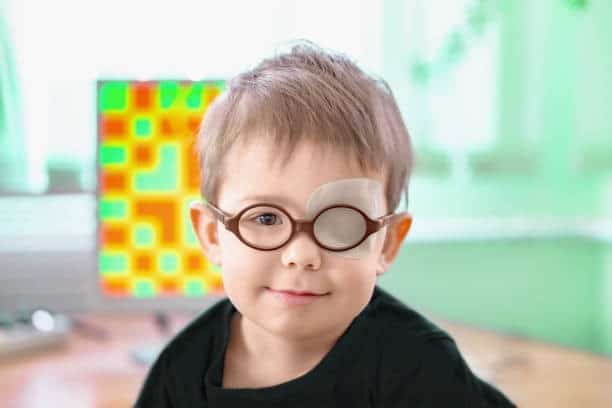
The good news is that lazy eye can be improved, especially when caught early. Treatment depends on the cause and the child’s age. Glasses are often the first step to correct vision. In some cases, doctors suggest patching the stronger eye so the weaker eye works harder.
Eye drops may also be used to blur the stronger eye for a short time. Vision exercises can help both eyes learn to work together. With steady care, many children show strong improvement over time.
When to Get Help and Simple Care Tips
If you notice any signs, do not wait. Early care can make a big difference in recovery. Tustin Optometry helps families with simple testing and clear guidance for children of all ages. Regular follow-ups help track progress and adjust care when needed.
At home, make sure your child wears glasses if prescribed. Follow patching schedules without skipping. Keep eye checkups regular, even if things seem fine. Small steps done daily matter more than anything else.
How Tustin Optometry Can Help with Lazy Eye Care
Tustin Optometry makes lazy eye care simple and stress-free for families. The clinic focuses on early checks through detailed exams that look at how both eyes work together, not just clear vision. This helps catch amblyopia before it affects learning or daily activities.
Our kid friendly eye care approach keeps children relaxed during testing, so parents get clear answers without confusion.
If treatment is needed, we guide families with glasses, patching plans, and regular follow-ups to track progress. With an optical boutique and eyecare setup, kids also get comfortable eyewear choices in one place, making the whole process smooth and easy.
Simple Eye Care, Better Vision
Lazy eye can sound worrying, but it responds well to early care. Most children improve when treatment starts on time and is followed properly. Simple eye tests can show what is really going on with vision. With steady support from Tustin Optometry, parents can feel more confident about their child’s eye health. Early attention also helps with better learning and confidence in school. A quick check today can protect a child’s vision for years ahead.
If you notice any signs or just want a routine eye check for your child, Tustin Optometry is here to help. Book an appointment today and get clear answers in a simple, stress-free way.
FAQs
1. What are the early signs of lazy eye?
Common signs include squinting, head tilting, closing one eye, poor depth judgment, or trouble reading. Sometimes the eyes may not look aligned.
2. Can lazy eye be treated in children?
Yes. Early treatment works very well. Options include glasses, eye patching, eye drops, and vision exercises to help both eyes work together.
3. Do all children with lazy eye need glasses?
Not always. Some children only need glasses, while others may need patching or a mix of treatments depending on the cause.
4. When should a child get an eye exam?
Children should have their first eye exam in early childhood and then regular checkups, especially if any signs of vision issues appear.
5. Can lazy eye come back after treatment?
If treatment is not followed properly, there is a chance of regression. That’s why regular follow-ups with an eye care provider are important.
Recent Comments