

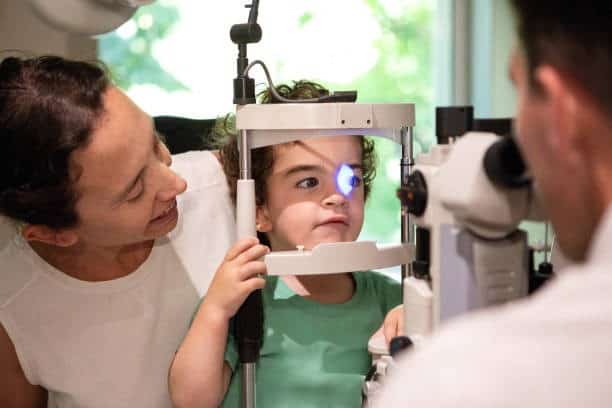
Quick Overview: A child’s first eye exam is an important step in supporting healthy vision and learning. This guide explains how to prepare your child before the appointment, what happens during the examination, and simple ways to make the visit comfortable. You will also learn why regular eye exams help detect vision problems early and support your child’s development.
Many vision problems in children can go unnoticed because kids often assume everyone sees the way they do. That is why a child’s first eye exam is an important step in supporting healthy vision and learning. A positive experience can also make future visits much easier.
If your child is scheduled for an eye examination, you may wonder how to help them feel comfortable before the appointment. Choosing the best optometry service provider nearby preparing your child ahead of time can make the visit smooth and stress-free. Families in Tustin often appreciate clinics that offer a friendly environment and take time to explain each step in simple language.
Why Is a Child’s First Eye Exam Important?
Good vision plays a big role in how children learn, play, and interact with the world. Some eye conditions may not show obvious symptoms, making regular eye exams an important part of preventive care.
A comprehensive children eye examination checks more than how clearly your child sees. It also evaluates eye alignment, focusing ability, eye movement, depth perception, and overall eye health. These checks can help identify concerns that may affect reading, classroom learning, or daily activities.
Talk About the Appointment in a Positive Way
Children often feel nervous when they do not know what to expect. A simple conversation before the visit can help reduce fear. Explain that the eye doctor will look at how well their eyes work and that none of the tests should hurt. You can say things like, “The doctor will ask you to look at pictures, letters, or lights.”
Avoid telling your child that there will be “nothing to worry about.” Instead, focus on making the visit sound interesting and easy.
Read Books or Play Pretend
Young children learn well through play. You can pretend to be the eye doctor at home by using a flashlight, asking your child to cover one eye, or looking at simple pictures from across the room. Reading children’s books about doctor visits can also help them feel more prepared. When children know what to expect, they often feel more confident during the appointment.
Choose the Right Appointment Time
Try to schedule the exam when your child is usually well-rested. For many young children, morning appointments work well because they are less likely to feel tired or impatient. Avoid scheduling during nap times or after a long school day if possible. A relaxed child is often more willing to participate in the vision tests.
Bring Helpful Information
Before your visit for the children eye examination, make a list of anything you have noticed about your child’s vision.
You may want to mention if your child:
- Squints often
- Holds books very close
- Complains of headaches
- Rubs their eyes frequently
- Has trouble seeing the classroom board
- Has a family history of eye disease or vision problems
This information helps the optometrist understand your child’s visual needs more completely.
Know What Happens During the Exam
Many parents are surprised to learn that a child’s eye exam includes several simple tests.
Depending on your child’s age, the optometrist may check:
- Visual acuity
- Eye tracking
- Eye alignment
- Color vision
- Focusing ability
- Overall eye health
Eye drops may sometimes be used to dilate the pupils. This allows the doctor to examine the retina and other structures inside the eye more carefully. If dilation is recommended, your child may have blurry near vision and light sensitivity for a few hours afterward.
Stay Calm and Encouraging
Children often copy the emotions of their parents. Speak calmly, smile, and praise your child for following directions during the exam. Small words of encouragement can help them stay relaxed throughout the visit. If your child feels uncertain, allow the optometrist to explain each step. Eye care professionals who regularly work with children know how to make the experience comfortable and engaging.
Plan for Questions After the Exam
Once the examination is complete, ask about your child’s vision, eye health, and any follow-up recommendations. If glasses are needed, let your child help choose the frames. Giving them a small choice can help them feel excited about wearing glasses instead of worried. The optometrist can also explain how often future eye exams should be scheduled based on your child’s age and vision needs.
Supporting Healthy Vision in Tustin
A child’s vision plays a key role in learning, reading, sports, and everyday activities. Regular eye exams help identify vision changes early and support healthy visual development as your child grows.
Tustin Optometry provides comprehensive pediatric eye exams in a welcoming environment where children and parents feel comfortable throughout the visit. Our team takes time to answer your questions, explain every step of the examination, and recommend care based on your child’s needs.
Call 714-544-5282 to schedule an appointment. Visit us at 13011 Newport Ave, #101, Tustin, CA 92780. Hours: Monday–Friday, 9:30 AM–5:30 PM; Saturday: Closed.
FAQs
1. At what age should my child have their first eye examination?
Most children should have their first comprehensive eye examination between 6 and 12 months of age, followed by additional exams as recommended by their optometrist.
2. How can I prepare my child for their first eye exam?
Talk positively about the visit, explain that the tests are simple, and let your child know the eye doctor will check how well their eyes work.
3. What happens during a children’s eye examination?
A children eye examination includes checking vision, eye alignment, focusing ability, eye movement, and overall eye health using safe, child-friendly tests.
4. How long does a child’s eye examination take?
Most children’s eye exams take about 30 to 60 minutes, depending on the child’s age, cooperation, and whether pupil dilation is needed.
5. Does my child need an eye exam if they passed a school vision screening?
Yes. School screenings only detect certain vision problems. A comprehensive eye exam checks overall eye health and conditions that screenings may miss.
Recent Comments