

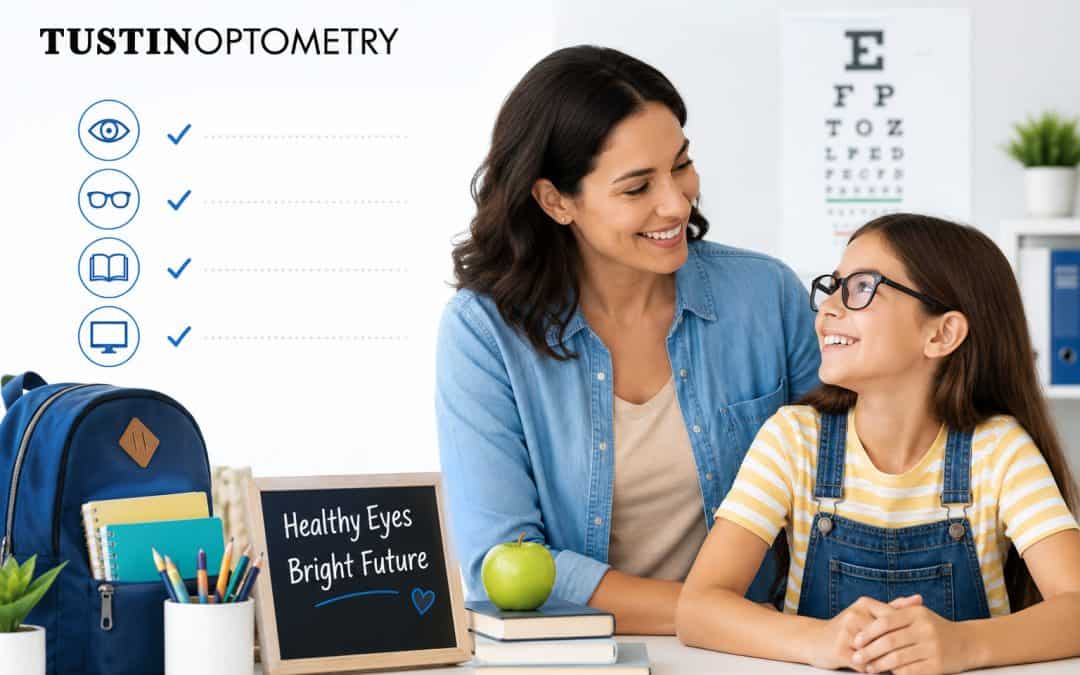
Quick Overview: A back-to-school eye exam is one of the best ways to prepare your child for a successful school year. This checklist explains why comprehensive eye exams matter, common signs of vision problems, and simple steps parents can take to support healthy eyesight. It also highlights how early detection helps children learn, read, and participate in the classroom with confidence.
The first day of school is getting closer. Your child’s backpack is packed, new clothes are ready, and school supplies are checked off the list. But there is one important item many parents overlook—a comprehensive eye exam.
A child can have trouble seeing the board, reading a book, or staying focused in class without realizing anything is wrong. Many vision problems develop quietly, and children often think everyone sees the way they do.
If you are considering vision correction Tustin before the new school year begins, now is the perfect time to schedule an eye exam. Early detection helps children start their school year with clear vision, greater confidence, and the visual skills they need to succeed in the classroom.
Why Eye Exams Should Be Part of Your School Checklist
Parents usually remember backpacks, notebooks, and school clothes. Eye exams are just as important.
Good vision supports reading, writing, computer work, sports, and classroom participation. If a child cannot see the board clearly or struggles to focus on a book, learning becomes much harder.
Many vision problems do not cause pain. Children may not complain because they think blurry vision is normal. That is why a comprehensive eye exam before school starts is so valuable.
Your Back-to-School Eye Exam Checklist
✓ Schedule a Comprehensive Eye Exam
A school vision screening is not the same as a complete eye exam.
Vision screenings usually check distance vision only. A comprehensive eye exam evaluates overall eye health, visual acuity, eye alignment, focusing ability, depth perception, and how well both eyes work together. It can also detect early eye conditions that a screening may miss.
✓ Ask About Your Child’s Vision Development
Children’s eyes continue to develop as they grow.
During the exam, your optometrist checks that your child’s visual skills match their age and school needs. Healthy vision involves more than seeing clearly. It also includes tracking words while reading, shifting focus between near and far objects, and working comfortably during long school days.
✓ Update Glasses If Needed
Children can outgrow their prescription as their eyes change.
If your child already wears glasses, make sure the prescription is current before classes begin. Wearing the correct prescription helps reduce eye strain and supports better classroom performance.
✓ Watch for Common Warning Signs
Some children never say they have trouble seeing.
Instead, they may:
- Squint often
- Sit very close to screens
- Hold books too close
- Rub their eyes frequently
- Lose their place while reading
- Complain of headaches after school
- Avoid reading or homework
These signs may point to an underlying vision problem that deserves professional attention.
Digital Learning Still Affects Children’s Eyes
Even after returning to the classroom, many students spend several hours each day using computers, tablets, and phones.
Long periods of screen time can lead to digital eye strain. Children may experience tired eyes, blurred vision, headaches, or difficulty focusing after extended device use.
Encourage your child to follow the 20-20-20 rule. Every 20 minutes, look at something about 20 feet away for at least 20 seconds. This simple habit helps relax the focusing muscles inside the eyes.
Who Needs More Frequent Eye Exams?
Some children have a higher chance of developing vision problems.
Regular eye exams are especially important if your child:
- Has a family history of eye disease
- Was born prematurely
- Has diabetes
- Already wears glasses or contact lenses
- Has learning or reading difficulties
- Has had an eye injury
Your optometrist can recommend an exam schedule based on your child’s individual needs.
Why Parents Trust Tustin Optometry for Children’s Eye Care
Your child’s vision changes as they grow, so having a trusted local eye care provider makes a real difference. Tustin Optometry offers comprehensive pediatric eye exams in a friendly, family-focused environment, helping children feel comfortable during every visit.
Our experienced team carefully evaluates your child’s vision, eye health, focusing ability, and eye coordination to identify problems early and recommend the right care. From routine back-to-school eye exams to ongoing vision monitoring and treatment, we provide personalized care for children of all ages.
If your family is looking for a trusted kids eye doctor in Orange County or nearby, choosing a practice that combines advanced diagnostic technology with compassionate care can help your child enjoy healthy vision both in and out of the classroom.
Simple Ways Parents Can Support Healthy Vision
Healthy habits at home can also protect your child’s eyesight.
Encourage outdoor play each day, provide balanced meals that include leafy greens and colorful fruits, limit unnecessary screen time, and remind children to wear protective eyewear during sports when appropriate. Good lighting during homework and reading can also reduce eye strain.
These small habits work even better when combined with routine comprehensive eye exams.
Help Your Child Start the School Year with Confidence
A successful school year starts with healthy vision. When children can see clearly, they are better prepared to read, stay focused, participate in class, and enjoy everyday learning. A comprehensive pediatric eye exam before school begins can help identify vision problems early and give your child the support they need from day one.
At Tustin Optometry, we’re proud to care for families across Tustin and nearby Orange County with personalized pediatric eye care in a welcoming environment.
Visit us at: 13011 Newport Ave, #101, Tustin, CA 92780
Office Hours
- Monday–Friday: 9:30 AM – 5:30 PM
- Saturday: Closed
Schedule your child’s eye exam today and help them head back to school with clear vision, greater confidence, and the tools to succeed.
FAQs
1. Is a school vision screening the same as a comprehensive eye exam?
No. School screenings check basic vision, while a comprehensive eye exam evaluates eye health, focusing, eye coordination, and detects conditions screenings may miss.
2. How often should children have a comprehensive eye exam?
Most children should have regular comprehensive eye exams as recommended by their optometrist. Children with vision concerns may need more frequent visits.
3. What are the signs my child may have a vision problem?
Frequent squinting, headaches, holding books too close, sitting near screens, rubbing the eyes, or difficulty reading may all indicate a vision problem.
4. Does screen time affect children’s eyesight?
Long hours on digital devices can cause eye strain, dry eyes, and headaches. Regular breaks and routine eye exams help support healthy vision habits.
5. Can children have vision problems even if they don’t complain?
Yes. Many children do not realize their vision is blurry because they think everyone sees the same way. Routine eye exams help identify hidden issues.
Recent Comments