

Quick Overview: Cataract surgery often sounds painful, but most people feel only mild pressure, not sharp pain. This blog explains myths vs facts in simple terms, covering what happens during eye surgery for cataract, recovery signs, and comfort levels. It also shares when to get an eye check and how proper care helps improve vision safely.
Around 4 out of 5 people notice cataracts after age 60. It is one of the most common reasons for blurry vision in older adults. The good news is that modern treatment is safe and widely done. Still, one question comes up again and again—does it hurt?
Many people feel nervous before eye surgery for cataract. Most worry is not about the condition, but about pain. The truth is often much simpler than the fear around it.
What Cataract Surgery Really Feels Like
Let’s start with the main fact. Cataract surgery is not painful in most cases. Before the procedure, numbing eye drops are used. These drops block pain signals from the eye surface.
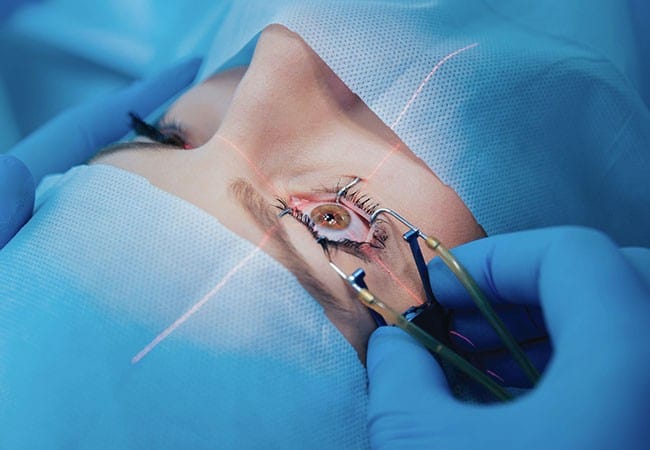
During the surgery, you stay awake, but you do not feel sharp pain. You may feel light pressure or mild movement. The eye is kept stable, and the cloudy lens is replaced with a clear artificial lens.
Many people say the whole process feels quick and more like mild awareness than pain. Clinics like Tustin Optometry often help patients understand the steps before surgery so anxiety stays low and expectations stay clear.
Myth Vs Fact: Pain Edition
Let’s clear some common doubts in a simple way.
Myth: Cataract surgery is very painful
Fact: Most patients feel little to no pain because numbing eye drops are used. The eye stays relaxed during the procedure.
Myth: You cannot keep your eye open
Fact: A small tool gently keeps the eye open in a safe way. You do not need to force it.
Myth: Recovery is very painful
Fact: Mild irritation or a scratchy feeling is common, but it is not strong pain. It usually improves within a few days.
The main discomfort is not during surgery. It may come in the early healing days and feels more like dryness or light sensitivity than pain.
What Happens During The Procedure
The cloudy lens inside your eye is removed and replaced with a clear artificial lens. This helps improve vision clarity. The procedure usually takes 15 to 20 minutes for one eye. You are awake, but relaxed. Doctors monitor your comfort the entire time. There are no stitches in most cases. The eye heals on its own.
After Surgery: What You May Feel
After eye surgery for cataract, some mild symptoms are normal:
- Slight burning or itching
- Watery eyes
- Light sensitivity
- Feeling like something is in the eye
These signs usually improve in a few days. Eye drops are given to reduce swelling and prevent infection. Most people return to daily work within a short time, depending on recovery speed.
Myths About Recovery Pain
A common myth is that recovery after cataract surgery is painful. In reality, most people feel only mild discomfort, often like dryness or light irritation rather than real pain. Another myth is that vision becomes clear right away. In most cases, vision improves slowly as the eye heals over days or weeks. This is normal.
However, if there is severe pain, strong redness, or sudden drop in vision, it should be checked quickly without delay.
Why Proper Eye Care Before Surgery Matters
Before surgery, a full eye check is important. Doctors assess eye health, lens condition, and vision needs. In some cases, additional tests like contact lens fitting assessment help understand how the eye responds to corrective lenses before planning long-term vision correction. This step ensures the treatment plan fits the patient’s daily vision needs.
Simple Ways To Stay Comfortable
Here are a few easy tips:
- Use eye drops as prescribed
- Avoid rubbing the eye
- Wear sunglasses outdoors
- Rest the eyes during screen use
- Attend follow-up visits
Good aftercare helps healing feel smooth and steady.
Clear Vision Starts With One Visit
Cataract surgery sounds scary at first, but pain is not the main part of the experience. Most people feel only mild pressure or light irritation, not sharp pain. The real change comes after recovery, when vision becomes clearer and daily tasks feel easier again.
A trusted eye care check can make the whole process less stressful. Tustin Optometry helps patients understand each step clearly, from early evaluation to pre-surgery guidance, so everything feels simple and easy to follow.
If vision is getting cloudy, a proper eye exam at Tustin Optometry is the best first step. Clear answers always come from a proper evaluation, not fear or guesswork.
FAQs
1. Does cataract surgery hurt?
No, cataract surgery does not hurt. Numbing eye drops are used before the procedure. Most people feel only mild pressure or slight discomfort during surgery.
2. What is the recovery like after cataract surgery?
Recovery is usually smooth. Mild irritation, watery eyes, or light sensitivity may happen for a few days. Vision improves gradually over the healing period.
3. When should I consider cataract surgery?
Cataract surgery is considered when cloudy vision affects daily tasks like reading, driving, or screen use, and glasses no longer improve clarity.
4. Do I need an eye exam before cataract surgery?
Yes, a detailed eye exam is needed. It helps check eye health, measure lens strength, and plan safe and effective treatment steps.
5. Can I wear contact lenses before cataract surgery planning?
Yes, but doctors may ask for a contact lens fitting assessment to understand eye shape and ensure accurate measurements before surgery planning.
Recent Comments