

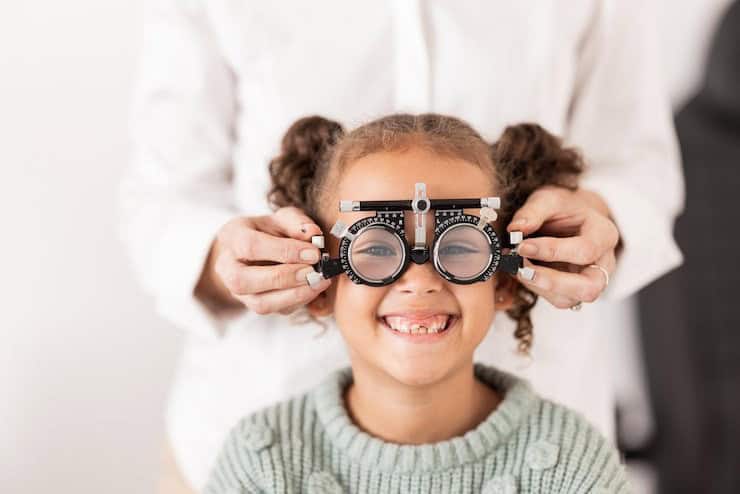
Quick Overview: Many children do not realize they have vision problems, but small habits can reveal a lot. This blog explains 6 clear signs your child may need glasses, like squinting, headaches, and reading issues. It also highlights why early eye exams and pediatric eye care are important in supporting learning, comfort, and healthy vision as children grow.
Some children don’t say “I can’t see clearly.” Instead, they adjust. They move closer to screens. They tilt their head. They guess their way through reading. That’s why vision problems in kids often stay hidden for a long time.
Experts say nearly 1 in 4 school-age children may have an undetected vision issue. The good news is that most of these problems are easy to fix once found early. This is where pediatric eye care becomes important. It helps catch small vision changes before they turn into bigger learning or focus issues.
Why Parents Miss Vision Problems So Often
Kids rarely complain about blurry vision. Why? Because they think what they see is normal. If one eye is weaker, the brain often adjusts without them even noticing.
So instead of saying “I can’t see,” they show small habits. These habits are the clues parents should watch closely.
Let’s go through the 6 most common ones.
1. Sitting Too Close to Everything
If your child sits very close to the TV or holds a tablet right near their face, it is not just a habit. It may mean they are trying to make things clearer. This is often one of the first signs of vision strain.
2. Squinting Like They Are “Focusing Hard”
Squinting is the eye’s way of trying to sharpen blurry vision. You might see it while they are reading, watching TV, or looking at far objects like school boards. If squinting happens often, it is worth an eye check.
3. Complaining About Headaches After School
Kids don’t usually explain eye strain clearly. Instead, they may say they have headaches after homework or reading. This can happen when the eyes are working too hard to stay focused.
4. Avoiding Reading or Small Tasks
Some kids avoid reading not because they are not interested, but because it feels difficult. They may lose their place often or say words are hard to see. This is often mistaken for lack of focus, but vision may be the real issue.
5. Rubbing Eyes or Blinking a Lot
Frequent eye rubbing is a small but important sign. It usually happens when eyes feel tired or blurry. This can be the child’s way of trying to clear vision.
6. Covering One Eye While Looking
If a child covers one eye to see better, it may mean one eye is weaker than the other. This is a strong signal that a full eye exam is needed.
How Regular Checkups Can Help
Regular eye checkups help find vision problems early in children before they affect learning or daily activities. Tustin Optometry provides exams focused on clear vision and how both eyes work together through pediatric eye care. Early detection makes treatment simple and more effective.
When Should You Take Action?
If you notice even one of these signs, don’t wait. Kids adjust well when vision is corrected early. Glasses are simple, and most children adapt quickly once they start wearing them. Even if no signs are visible, regular eye exams are still important. Think of it like dental checkups—but for eyes.
Seeing a kids eye doctor in Orange County helps catch vision problems early, even before symptoms become clear. A proper eye exam can detect hidden issues and guide the right treatment so your child’s learning and daily comfort are not affected.
Book Your Child’s Eye Check with Tustin Optometry Today
Children won’t always tell you when they can’t see well. But their habits will. Squinting, headaches, sitting too close, or avoiding reading are all small signals that matter.
A quick eye exam can make a big difference. Tustin Optometry provides simple, stress-free eye care that helps parents understand their child’s vision clearly. The clinic focuses on early detection, comfort, and clear guidance so kids can see better and learn with ease.
Early care today can mean clearer learning, better focus, and more confident kids tomorrow. For trusted and gentle eye care, Tustin Optometry is ready to help your child see the world more clearly.
FAQs
1. Can vision problems affect my child’s learning?
Yes. Poor vision can make reading, writing, and classroom learning harder. Many children struggle in school simply because they cannot see clearly.
2. At what age should children get their eyes checked?
Children should have their first eye exam in early childhood and then regular checkups, especially if any vision-related signs appear.
3. Why is pediatric eye care important for kids?
Pediatric eye care helps detect vision problems early. Early treatment can improve learning, comfort, and long-term eye health.
4. Do all children with vision issues need glasses?
Not always. Some children need glasses, while others may need vision exercises or simple monitoring depending on the eye condition.
5. Can vision problems improve on their own?
No. Vision issues usually do not improve without care. Early detection and proper treatment are important for healthy eyesight.
Recent Comments