

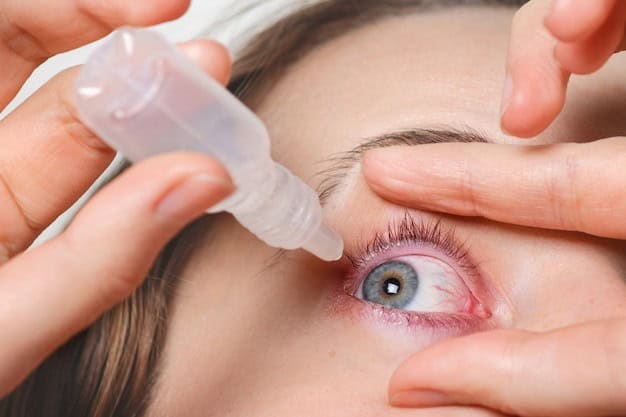
Your eyes work hard every day—reading, scrolling on your phone, driving, or watching screens. Often, small changes like slight blurriness, occasional dryness, or mild discomfort are easy to ignore. But these little signs can point to more serious issues that may affect your vision over time.
Regular checkups are important because they let your eye doctor spot problems early, before they worsen. Scheduling an affordable eye exam near me ensures your eyes stay healthy, your vision stays clear, and you can enjoy daily activities without strain or worry.
What Is Ocular Disease?
Ocular disease is a term for conditions that affect the eyes. This includes common issues like glaucoma, cataracts, macular degeneration, and diabetic eye problems. Some diseases affect the front of the eye, like the cornea or lens, while others affect the retina or optic nerve at the back. Early symptoms are often subtle, like blurry vision or occasional eye strain, which is why many people don’t realize there’s a problem.
How They Develop
Eye diseases can develop for different reasons. Age is a major factor—older adults are more likely to get cataracts or glaucoma. Genetics also play a role; if your family has a history of eye problems, your risk may be higher. Lifestyle habits matter too—smoking, a poor diet, or long hours on screens can strain your eyes. Chronic health conditions like diabetes or high blood pressure also increase the chance of developing ocular disease.
Even kids aren’t completely safe. Conditions like lazy eye or eye alignment issues can appear early. Regular checkups and an eye test for children can spot problems before they affect vision long-term.
Common Signs to Look For
Spotting early warning signs is key. Watch out for:
- Blurred or fluctuating vision: Things look fuzzy or sometimes clear, sometimes not.
- Eye pain or discomfort: Stinging, burning, or aching that doesn’t go away.
- Redness or swelling: Unexplained redness may mean infection or inflammation.
- Flashes, floaters, or dark spots: Seeing specks, streaks, or flashes of light.
- Light sensitivity: Bright lights suddenly bother your eyes more than usual.
Even small, occasional symptoms should not be ignored. Catching problems early gives your eyes the best chance to stay healthy.
Why Early Detection Matters
Catching ocular disease early can save your vision. Many serious conditions, like glaucoma, don’t cause pain until permanent damage occurs. Regular checkups allow your eye doctor to notice subtle changes, start treatment of ocular disease, and prevent vision loss.
Even mild complaints—like occasional blurriness, eye fatigue, or dryness—can signal the need for professional care. Simple interventions, like prescription glasses, medications, or lifestyle changes, often work best when started early.
Protecting Your Eyes Every Day
There are everyday habits that help keep your eyes healthy:
- Wear sunglasses outdoors to block UV rays.
- Take breaks from screens using the 20-20-20 rule: every 20 minutes, look at something 20 feet away for 20 seconds.
- Eat a balanced diet with leafy greens, fish, and foods rich in omega-3s.
- Stay hydrated to support natural tear production.
- Schedule regular checkups at Tustin Optometry to monitor eye health.
Even simple habits, combined with regular visits to a trusted eye care provider, can make a big difference.
Your Eyes Deserve Attention
Your eyes are precious, and even small changes can be warning signs. Regular visits to Tustin Optometry help catch issues early, keeping your vision sharp and healthy. Early detection, proper guidance, and timely treatment of ocular disease protect your eyes from long-term damage. Simple daily habits, combined with professional care, make a big difference in maintaining clear vision.
Don’t wait until problems get worse—schedule an eye exam with Tustin Optometry today, and ensure your eyes stay healthy, comfortable, and ready for all the moments that matter in life.
FAQs
1: What are the early signs of ocular disease?
Early signs can include blurry vision, difficulty seeing at night, eye strain, frequent headaches, eye redness, and sudden flashes of light. Noticing these symptoms early is important for proper treatment.
2: How can I protect my eyes from ocular disease?
Regular checkups, good eye hygiene, wearing sunglasses, taking screen breaks, and maintaining a healthy diet all help protect your eyes. Early detection through routine exams is key.
3: How often should I schedule an eye exam for children or adults?
Most adults should have an eye exam every 1–2 years, while children may need more frequent exams. Tustin Optometry can guide the schedule based on individual needs.
4: What treatments are available for ocular disease?
The treatment of ocular disease varies depending on the condition. It may include prescription eye drops, lifestyle changes, corrective lenses, or specialized procedures as recommended by your eye doctor.
5: Why is early detection of ocular disease so important?
Catching problems early can prevent long-term damage, improve treatment success, and maintain clear vision. Regular exams and awareness of warning signs are crucial.
Recent Comments