

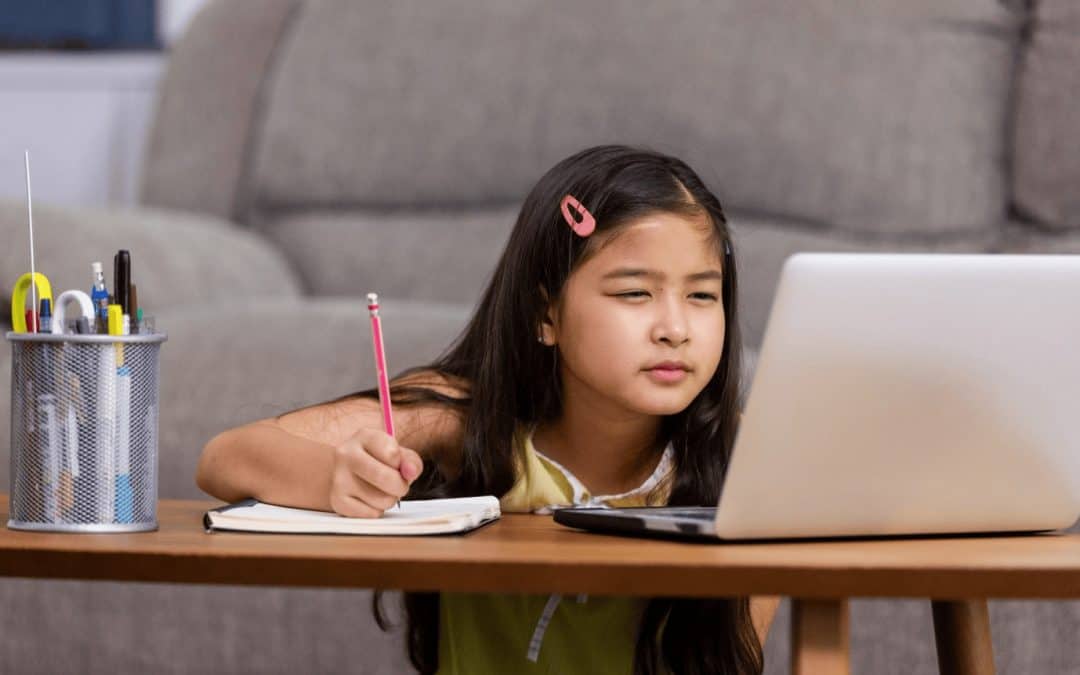
Kids squint sometimes—it’s normal, right? But how do you know if it’s just a phase or a sign of a vision problem? Maybe your child keeps tilting their head to see the board at school, rubbing their eyes a lot, or complaining that things look blurry. These could be red flags. Booking an eye test for children can clear up the mystery.
If you’re searching for an “optical boutique near me”, Tustin Optometry provides friendly, thorough eye care to make sure your child’s eyes are healthy.
Why Kids Squint
Squinting is a quick trick kids use to see better. Some common reasons include:
- Blurry vision: Nearsightedness, farsightedness, or astigmatism makes objects fuzzy. Squinting helps focus for a moment.
- Eye muscle issues: Sometimes eyes don’t line up perfectly. One might drift inward, outward, up, or down, causing double vision. This is called strabismus.
- Bright light: Harsh sunlight or bright indoor lights can make kids squint.
- Just a habit: Kids might squint when concentrating or feeling sleepy—it happens.
Occasional squinting isn’t usually a big deal, but if it keeps happening, it’s worth checking.
Red Flags to Watch For
Here’s when squinting could mean more than just a quirk:
- Constant squinting when reading, watching TV, or using a tablet
- Tilting or turning the head to see things better
- One eye drifting in a different direction
- Complaining of blurry vision or headaches
- Rubbing eyes a lot or showing signs of tired eyes
If you notice any of these, it’s a good idea to schedule an eye test for children. Catching problems early makes treatment simpler and more effective.
How an Eye Test Helps
A child’s eye exam is more than reading letters on a chart. It checks how clearly they see both near and far, whether their eyes work together properly, and how well their eyes focus and move. The doctor also examines overall eye health, including the cornea, eyelids, and other parts of the eye.
These tests help figure out if occasional squinting is normal or if it could signal a vision problem. If needed, your child may get glasses, eye exercises, or other treatments. Early checks keep their vision sharp and support healthy eye development.
Simple Fixes and Treatments
Depending on the reason for squinting, there are a few ways to help. Glasses can correct blurry vision and reduce the need to squint. Sometimes, patching or special eye exercises are used to strengthen a weaker eye, like in cases of lazy eye (amblyopia).
Prism lenses can help the eyes line up better, and surgery is only needed in rare situations where eye muscles need adjustment. Regular follow-up visits are important to make sure the treatment is working and that your child’s vision is improving as expected.
Daily Habits for Healthy Eyes
Parents can help keep kids’ eyes in top shape with small changes:
- Make sure reading or homework areas have good light
- Limit screen time and encourage outdoor play
- Watch for frequent squinting or eye rubbing
- Schedule routine eye tests, even if no issues appear
Finding a reliable “optical boutique near me” makes it easier to get glasses, lens advice, and expert guidance all in one place.
Protecting Your Child’s Vision
Not all squinting is serious. But if your child squints often, tilts their head, or rubs their eyes a lot, it could be a sign of vision trouble. Getting an eye test for children with Tustin Optometry can spot problems early, guide treatment, and protect their vision for the long run. Don’t wait for it to fix itself—early action keeps your child seeing clearly and feeling comfortable every day.
Book an appointment with Tustin Optometry and make sure your child sees clearly every day.
FAQs
1: How can I tell if my child’s squinting is normal or a problem?
Some squinting is common in young children, especially in bright light or when focusing. Frequent squinting, tilting the head, or covering one eye may signal an underlying issue. A professional eye test for children can identify if intervention is needed.
2: When should I schedule an eye test for my child?
Children should have routine eye exams by age 3 and before starting school. If squinting, complaints of blurry vision, or difficulty reading appear, schedule an eye test right away.
3: Can glasses fix a child’s squinting?
Yes, glasses can correct refractive errors like nearsightedness, farsightedness, or astigmatism, which may reduce squinting and improve focus.
4: What other treatments are available for childhood squint?
Depending on the cause, treatments include eye exercises, patching for lazy eye (amblyopia), prism lenses, or rarely, surgery. Follow-ups ensure the treatment is effective.
5: Where can I find an optical boutique near me for my child?
For families in Tustin, Tustin Optometry is a trusted option. They offer comprehensive children’s eye care, including thorough eye tests for children, glasses, and lens options—all designed to keep your child’s vision healthy and comfortable.
Recent Comments