

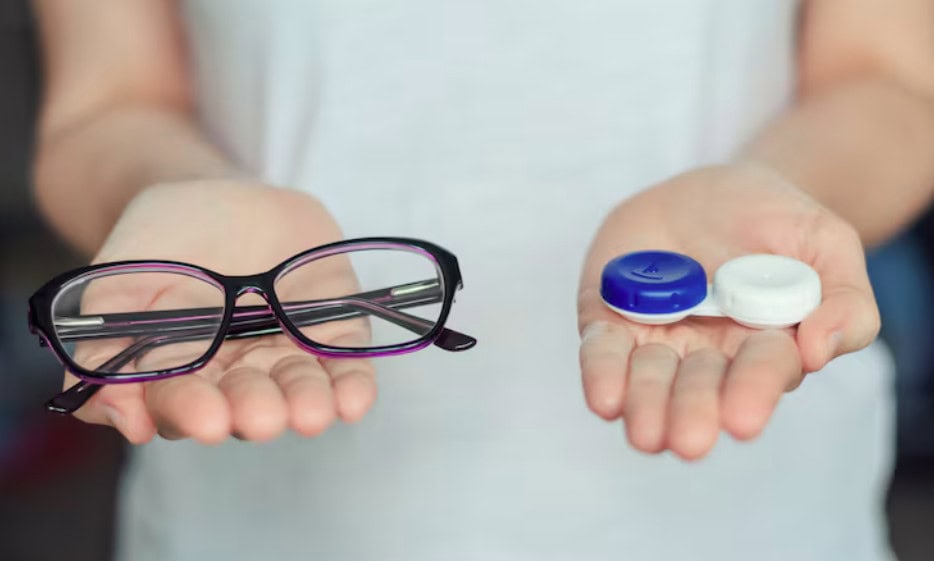
Are you torn between slipping on contacts or keeping it classic with glasses? You’re not alone. The right choice isn’t the same for everyone—it depends on your daily routine, comfort, and overall eye health. Parents thinking about family and pediatric eye care often wonder what’s safest for their kids, while adults weigh convenience, style, and ease. Let’s break it down so you can make a choice that actually fits your life.
Why Glasses Are a Solid Choice
Glasses are simple. You put them on, and that’s it. No touching your eyes, no fuss with cleaning solutions. They also act as a shield against dust, wind, and even accidental pokes. For kids, glasses are often the first choice because they’re safe and easy to use. Parents can also keep a closer eye on vision development without worrying about infections from lenses.
Glasses today aren’t just functional—they can be stylish too. Anti-reflective coatings help reduce glare from screens, and lightweight frames make wearing them comfortable all day.
Contacts Give You Freedom
Contacts sit right on your eye, so they give you a full, unobstructed view. Many people prefer them for sports, workouts, or just because they don’t like how glasses feel. Contacts can make life feel a little more “hands-free.”
But there’s a catch. Contacts need careful care. Forgetting to clean them or wearing them too long can cause dryness, irritation, or even infections. That’s why a proper contact lens exam is essential. Your optometrist will check that the lenses fit your eyes perfectly and won’t cause harm.
Think About Your Lifestyle
Ask yourself: What does a typical day look like? If you spend hours on a computer, glasses with anti-reflective coatings might help reduce eye strain. If you’re always on the move or love sports, contacts might make life easier. Comfort and safety should guide your choice more than anything else.
Eye Health Comes First
Your medical history plays a big role in choosing between glasses and contacts. Do you struggle with dry eyes, allergies, or other eye conditions? If so, glasses might feel more comfortable day-to-day. Contacts are still an option, but you may need specialty lenses or extra care.
That’s where the guidance of your optometrist—and, when needed, experienced eye and laser surgeons—comes in. They work together to examine your eyes, check tear production, and recommend the safest and most effective solution for your vision. This ensures you get lenses that are both comfortable and healthy for long-term use.
Costs and Care
Glasses are a one-time purchase for a while. You might need new frames or updated lenses over time, but maintenance is minimal. Contacts, however, require ongoing purchases of lenses, solutions, and replacement cases. Keep this in mind—it can make a big difference over the year.
Starting Kids With Glasses
For children, it’s usually best to begin with glasses. Kids may not have the dexterity or discipline to handle contact lenses safely. As they grow, contacts can be introduced, but only under supervision. Regular eye exams ensure their vision stays sharp and their eyes stay healthy.
Mixing Both Options
You don’t have to pick just one. Many people use glasses at home or work and switch to contacts for sports or special events. Consulting with family and pediatric eye care specialists or eye and laser surgeons can help you create a plan that works for your life and keeps your eyes safe.
Keep Up With Eye Exams
No matter what you choose, regular eye exams are essential. Vision can change over time, and what works today might not be ideal next year. Eye care professionals can guide you to lenses that keep your vision clear while staying safe and comfortable.
Finding Your Perfect Fit
At the end of the day, glasses and contacts both have their advantages. Think about your daily routine, your eye health, and what feels most comfortable. Talk to your optometrist—they can give advice tailored to your eyes.
If you’re in Tustin, the team at Tustin Optometry can help. From comprehensive eye exams to pediatric eye care and precise contact lens fittings, they guide patients in choosing the right solution for clear, healthy vision. Working closely with top eye and laser surgeons, they ensure your eyes get expert care, whether it’s glasses, contacts, or advanced treatments.
Schedule an appointment today and take the first step toward a vision that works for you.
Questions You Might Have
Q: How do I decide between glasses and contacts for myself?
A: It depends on your lifestyle, comfort, and eye health. Glasses are low-maintenance and protective, while contacts offer a wider field of view and are ideal for active lifestyles. Your optometrist can help determine what works best for you.
Q: What if I have dry eyes or allergies?
A: People with dry eyes or allergies often find glasses more comfortable. Contacts are still possible but may require specialty lenses or additional care. Your eye doctor can suggest the best solution.
Q: Should I consult an eye specialist if I’ve had eye or laser surgery?
A: Yes. If you’ve had eye or laser surgery, it’s important to talk with your optometrist and eye and laser surgeons before choosing lenses. They can ensure your eyes remain safe and comfortable with either glasses or contacts.
Q: How often should I get an eye exam?
A: Regular eye exams are crucial, even if your vision seems fine. Vision can change over time, and an exam ensures your lenses are correct and your eyes stay healthy.
Q: Are contacts more expensive than glasses?
A: Costs vary. Glasses are usually a one-time purchase for a while, while contacts involve recurring purchases of lenses, solutions, and replacement cases. Weigh both options before deciding.
Recent Comments